
Understanding
Lawn Fertilizers
The right fertilizer can make the difference between a lawn that simply survives and one that thrives. Understanding what's in the bag, when to apply it, and which formula your grass needs is the first step.
Choose the Right Formula
Different lawns have different nutritional needs. The numbers on every fertilizer bag tell you exactly what you're feeding your grass.
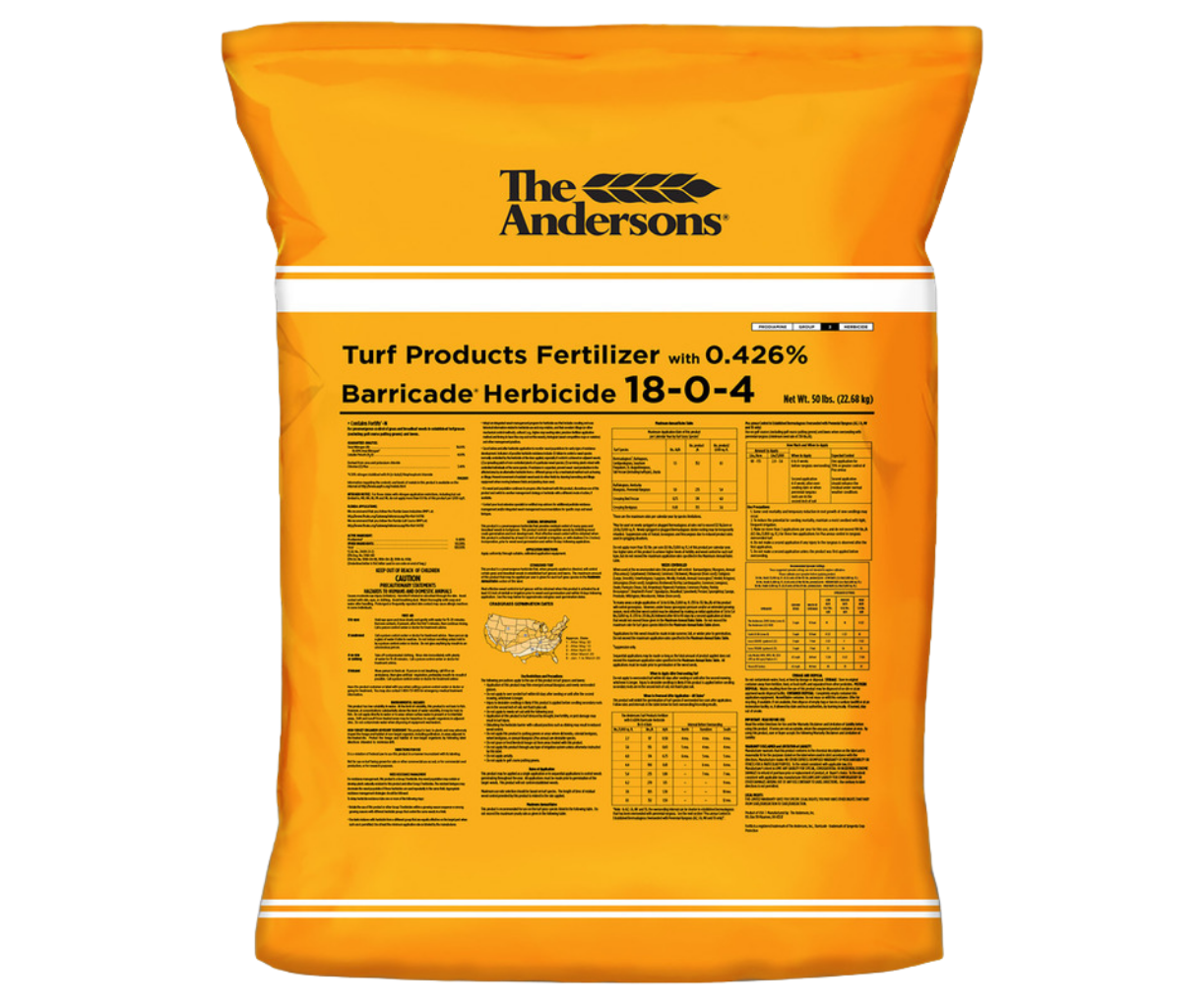
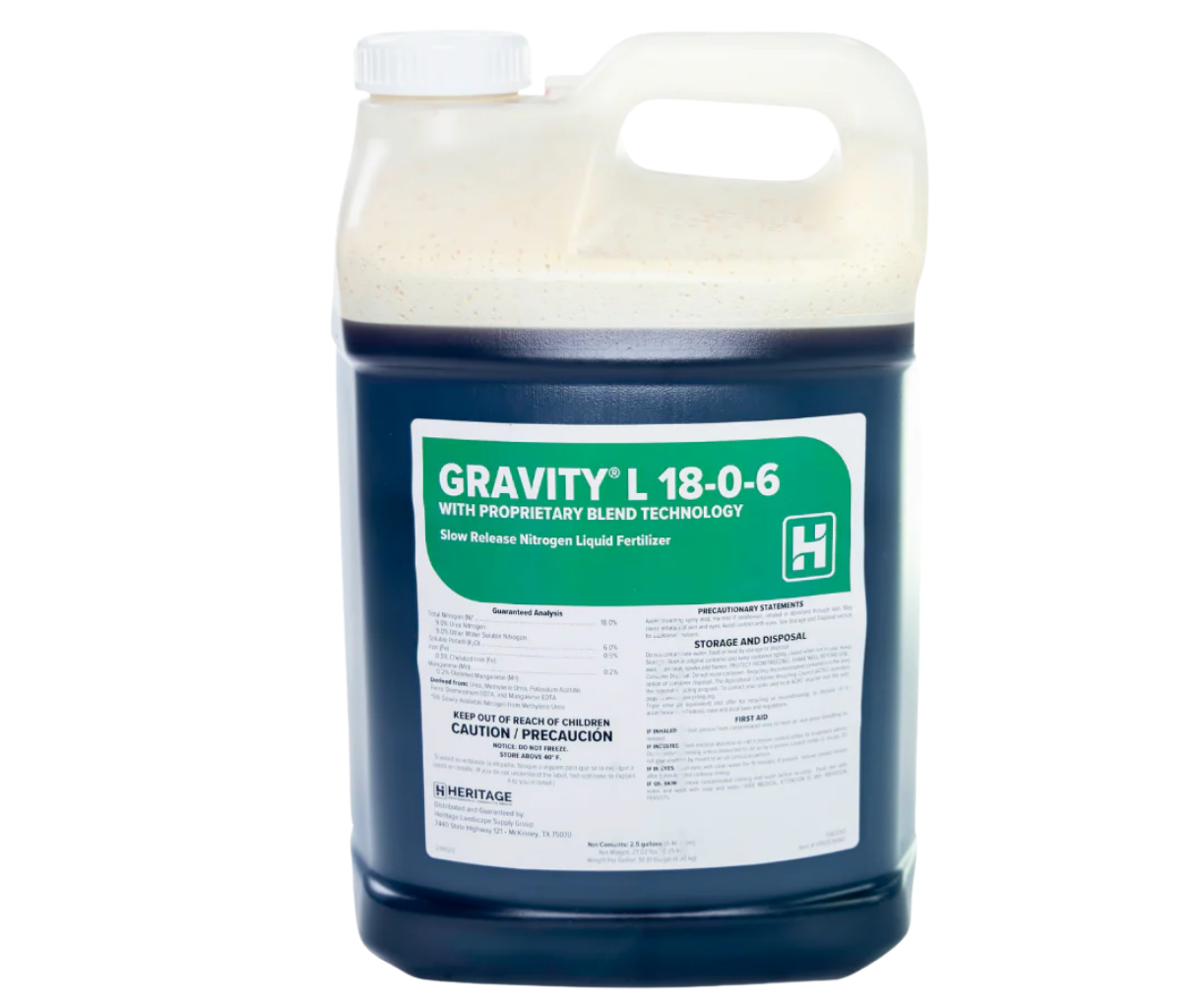
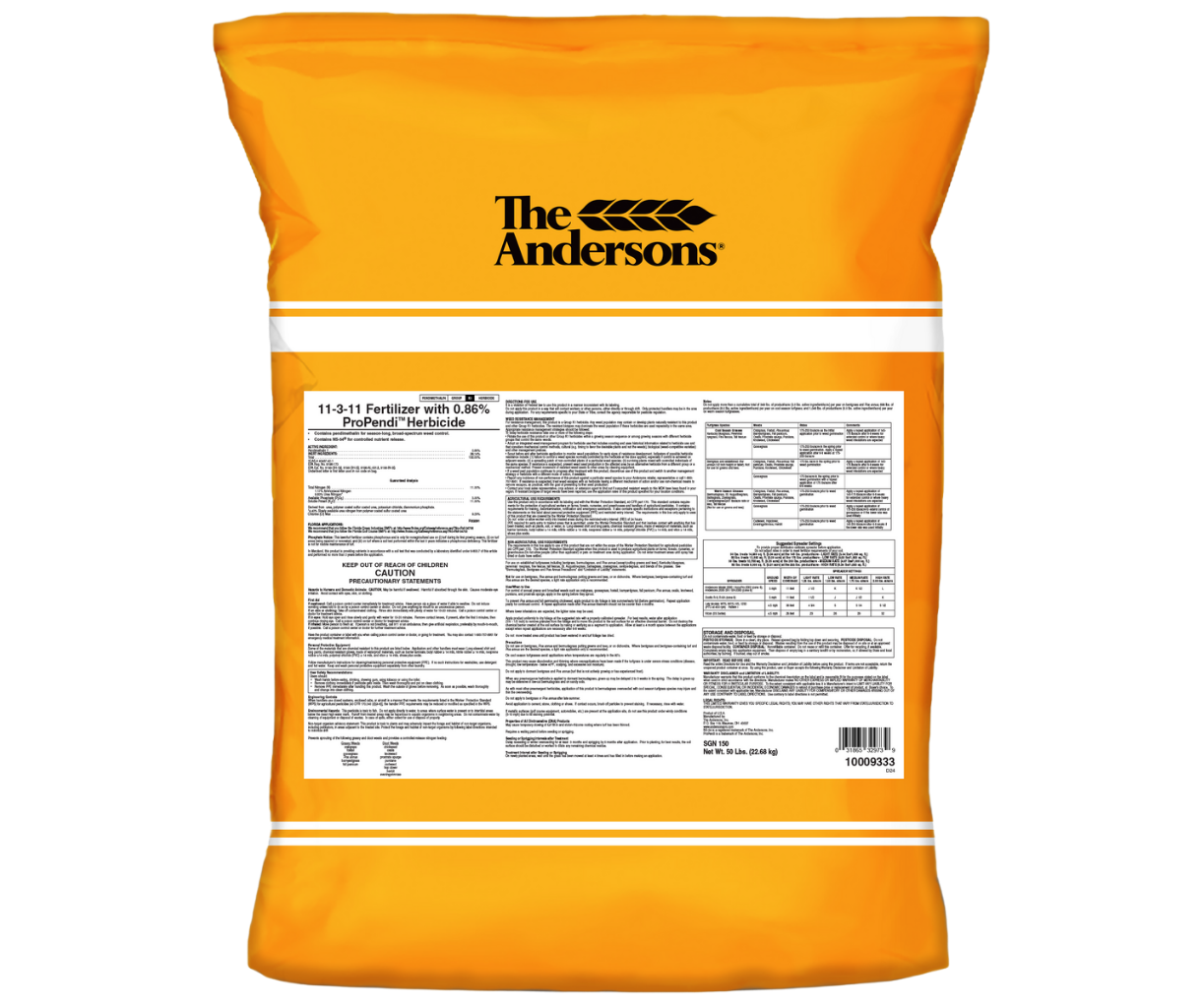
Know Your Labels
Lawn fertilizers typically consist of three primary nutrients: nitrogen, phosphorus, and potassium (N-P-K).
The N-P-K ratio indicates the percentage by weight of each nutrient present. For example, an all-purpose fertilizer labeled 10-10-10 contains 10 percent nitrogen, 10 percent phosphorus, and 10 percent potassium. Additional ingredients provide other nutrients and act as fillers.
For other types of plants, fertilizers may contain different ingredients in varying quantities. For the best lawn results, use fertilizers specifically formulated for grass.

What Does N-P-K Mean?
An easy way to remember the three fertilizer numbers is "up, down, and all-around."
Nitrogen
Promotes vigorous growth and vibrant green color in your lawn. Think "UP" because nitrogen encourages rapid top growth.
Phosphorus
Aids the development of healthy root systems. Think "DOWN" because phosphorus supports strong root growth beneath the soil.
Potassium
Supports overall grass health, disease resistance, drought resilience, and cold tolerance. Think "ALL-AROUND."
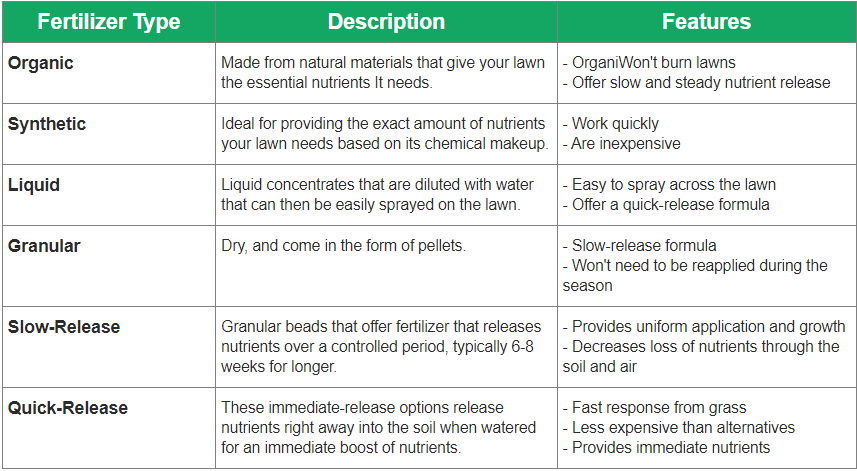
Types of Fertilizers
When it comes to lawn fertilizers, the choices can be overwhelming. The best fertilizer depends on your lawn, the results you want, and how you prefer to apply it.
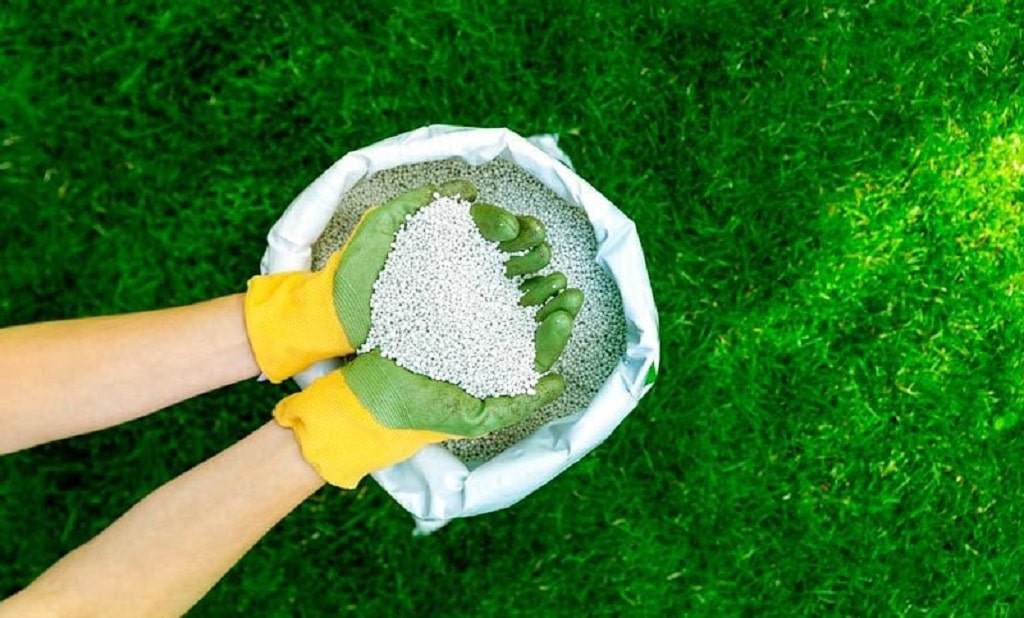
Granular
Dry granules are distributed across the lawn and watered into the soil.
Liquid
Liquid formulas provide another application option and can deliver nutrients directly across the lawn.
Quick Release
Designed to make nutrients available relatively quickly when the lawn needs a faster response.
Slow Release
Designed to release nutrients gradually over time for longer-lasting feeding.
When to Fertilize
Late spring and summer are the prime growing seasons for warm-season grasses, with temperatures averaging between 80 and 95°F. Watch the lawn itself, because growth can begin below or above this temperature range.
For best results, time spring fertilization for when the grass begins turning green. Warm-season grasses should receive approximately 3 to 4 pounds of nitrogen-rich fertilizer per 1,000 square feet of lawn annually.
You can choose between slow- and quick-release fertilizers, but the application should be fully absorbed before extreme summer temperatures arrive.
After fertilizing, water the grass thoroughly enough to move the fertilizer into the soil without creating runoff. Once peak summer heat subsides, consider a second fertilizer application.
5 Fertilizer Rules to Remember
Good fertilizer applied at the wrong time can do more harm than good.
Don't Apply Nitrogen-Rich Fertilizer to Dormant Grass
Nitrogen contains a growth stimulant that may encourage unwanted weed growth when the lawn itself is dormant. If your grass has not begun actively growing, postpone the fertilizer treatment.
Read the Product Label
Check how long the fertilizer is designed to remain effective. Some time-release fertilizers gradually release nutrients for 2 to 8 months. Allow enough time between applications to prevent overfertilization and possible lawn damage.
Don't Fertilize Immediately After Heavy Rain
If your lawn has been drenched, wait a day or two before fertilizing. This allows the soil to dry and helps prevent runoff and wasted fertilizer. Applying fertilizer to dry grass also improves the chance that it reaches the soil instead of sticking to wet grass blades.
Watch the Ground Temperature
When spring ground temperatures consistently reach about 55°F for several days, dormant plants and grass begin showing renewed growth. That's an appropriate time for fertilization. In autumn, once frost has significantly chilled the ground, the fertilizer window may have passed.
Use the Right Fertilizer After Seeding
Recently seeded lawns can be fertilized, but use a product specifically designed for the reseeding period. These are commonly called starter fertilizers and often have a nitrogen-to-phosphorus ratio near 1:1.
Phosphorus supports strong root development and disease resistance, while nitrogen supports leaf development. A nitrogen-rich fertilizer can generally be used approximately 6 to 8 weeks after seeding.
When establishing a brand-new lawn, fertilizing the soil with starter fertilizer before spreading seed is considered a good practice and is also a useful time to evaluate overall soil health with a soil test.
Feed the Lawn You Have.
Know your N-P-K numbers, choose a fertilizer formulated for grass, follow the product label, and apply it when your lawn is actively growing. The right nutrients at the right time give your grass the best opportunity to build strong roots, healthy growth, and better resistance to stress.